

Tummy Tuck in Ankara, Turkey
What Is a Tummy Tuck?
A Tummy Tuck, medically known as abdominoplasty, is a surgical cosmetic procedure designed to reshape the abdomen by removing excess skin and fat and repairing weakened or separated abdominal muscles. Unlike weight-loss procedures, a tummy tuck addresses concerns that diet and exercise alone cannot fix — such as loose skin after pregnancy or significant weight changes.
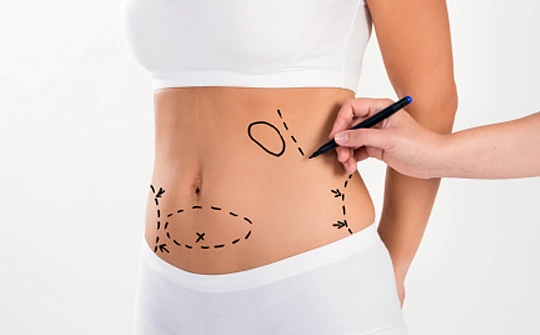
Who Is a Good Candidate for a Tummy Tuck?
Ideal candidates for a tummy tuck are adults in good overall health who have:
- Excess abdominal skin and fat that hasn’t improved with lifestyle measures,
- Separated abdominal muscles (a condition called rectus diastasis),
- stable weight for at least 6–12 months, and
- Realistic expectations about surgical outcomes.
This procedure is usually not recommended for people planning major future weight loss or pregnancy, as these can alter results. Patients with certain medical conditions (e.g., heart disease, uncontrolled diabetes, high BMI) may require further evaluation before surgery.
Tummy Tuck vs. Liposuction: What’s the Difference?
Both tummy tucks and liposuction are body contouring procedures, but they serve different purposes.
- Tummy tuck removes excess skin and fat and tightens abdominal muscles.
- Liposuction primarily removes localized fat deposits but doesn’t remove skin or strengthen muscles.
In many cases, liposuction is combined with a tummy tuck to refine waist contours and smooth the surrounding areas.
Tummy Tuck in Ankara, Turkey
Ankara, the capital of Turkey, has become an increasingly preferred destination for patients seeking high-quality tummy tuck procedures performed by experienced, board-certified plastic surgeons. Combining advanced surgical techniques, modern hospital infrastructure, and internationally aligned safety standards, Ankara offers both aesthetic expertise and medical reliability. Patients benefit from comprehensive treatment planning, personalized surgical approaches, and attentive postoperative care. Compared to many Western countries, tummy tuck surgery in Ankara is also more cost-effective while maintaining high clinical standards, making it an attractive option for both local and international patients seeking natural, long-lasting abdominal contouring results.
Types of Tummy Tuck Procedures (Mini, Full, Extended)
There are several tummy tuck variations based on patient needs:
- Mini Tummy Tuck: Focuses mainly on the lower abdomen below the belly button with a shorter incision and typically faster recovery.
- Full Tummy Tuck: Addresses the entire abdomen, relaxes and tightens muscles, and removes more skin above and below the belly button.
- Extended Tummy Tuck: Includes the flanks (love handles) for broader contouring.
Each type varies in complexity, scar placement, and recovery time.
Tummy Tuck with VASER Liposuction: Is It Better?
Combining VASER liposuction with a tummy tuck can enhance contouring by selectively removing stubborn fat pockets while the abdominoplasty addresses loose skin and muscle laxity. VASER uses ultrasonic energy to break up fat before suctioning, which may provide smoother results in experienced hands. This combined approach is especially beneficial when both fat reduction and skin tightening are desired.
However, the addition of liposuction increases operative time and postoperative swelling — and isn’t necessary for every patient. The decision should be individualized based on body type and aesthetic goals.
How Is a Tummy Tuck Performed? Step-by-Step Overview
A typical tummy tuck procedure includes these steps:
- Anesthesia: General anesthesia is usually given.
- Incision: A horizontal incision is made in the lower abdomen.
- Muscle Repair: Weak or separated abdominal muscles are tightened.
- Skin Trimming: Excess skin and fat are removed.
- Repositioning: The remaining skin is re-draped, and the belly button may be repositioned.
- Closure: Incisions are closed with sutures, sometimes with drains placed to remove excess fluid.
The entire process can take 1–5 hours depending on the extent of work and whether liposuction is added.
Tummy Tuck Recovery Timeline: Week by Week
Week 1: Pain, swelling, and discomfort are most intense. Patients typically wear a compression garment and should rest while beginning gentle walking.
Weeks 2–4: Many patients return to light daily activities; drivers and office work are often feasible. Strenuous exercise is still restricted.
Weeks 6–8: Major swelling reduces, and most can resume moderate physical activity with surgeon approval.
3–6 Months: Continued improvement in contour and scar fading. Full results become more visible.
Every patient heals differently, and compliance with postoperative instructions accelerates safe recovery.
Tummy Tuck Scars: What Do They Look Like?
Tummy tuck scars are a permanent part of the procedure. They typically run horizontally along the lower abdomen, ideally positioned to be hidden beneath underwear or swimwear. The length and visibility of the scar depend on how much skin needs to be removed. Scars usually fade over 12–18 months, but they never disappear completely.
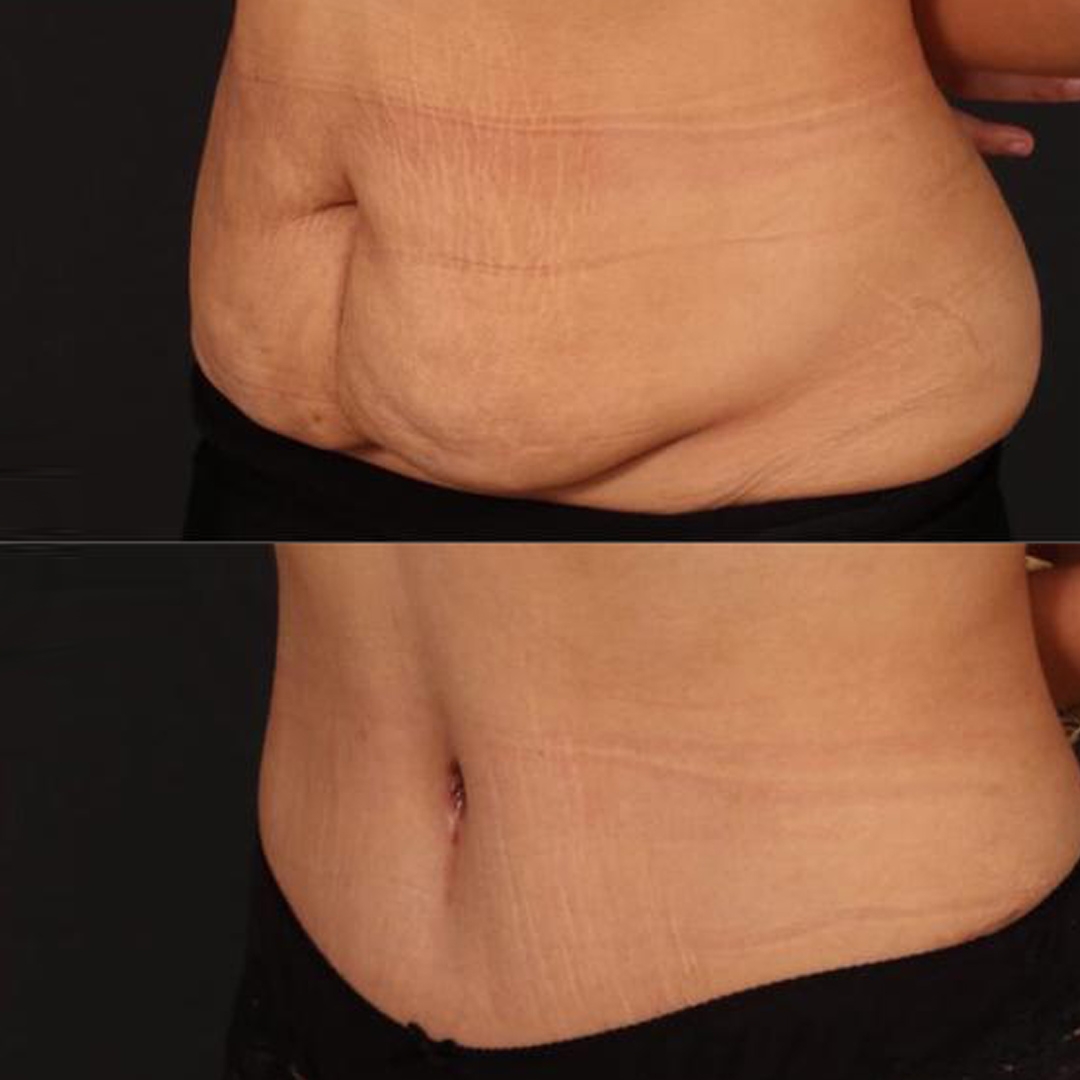
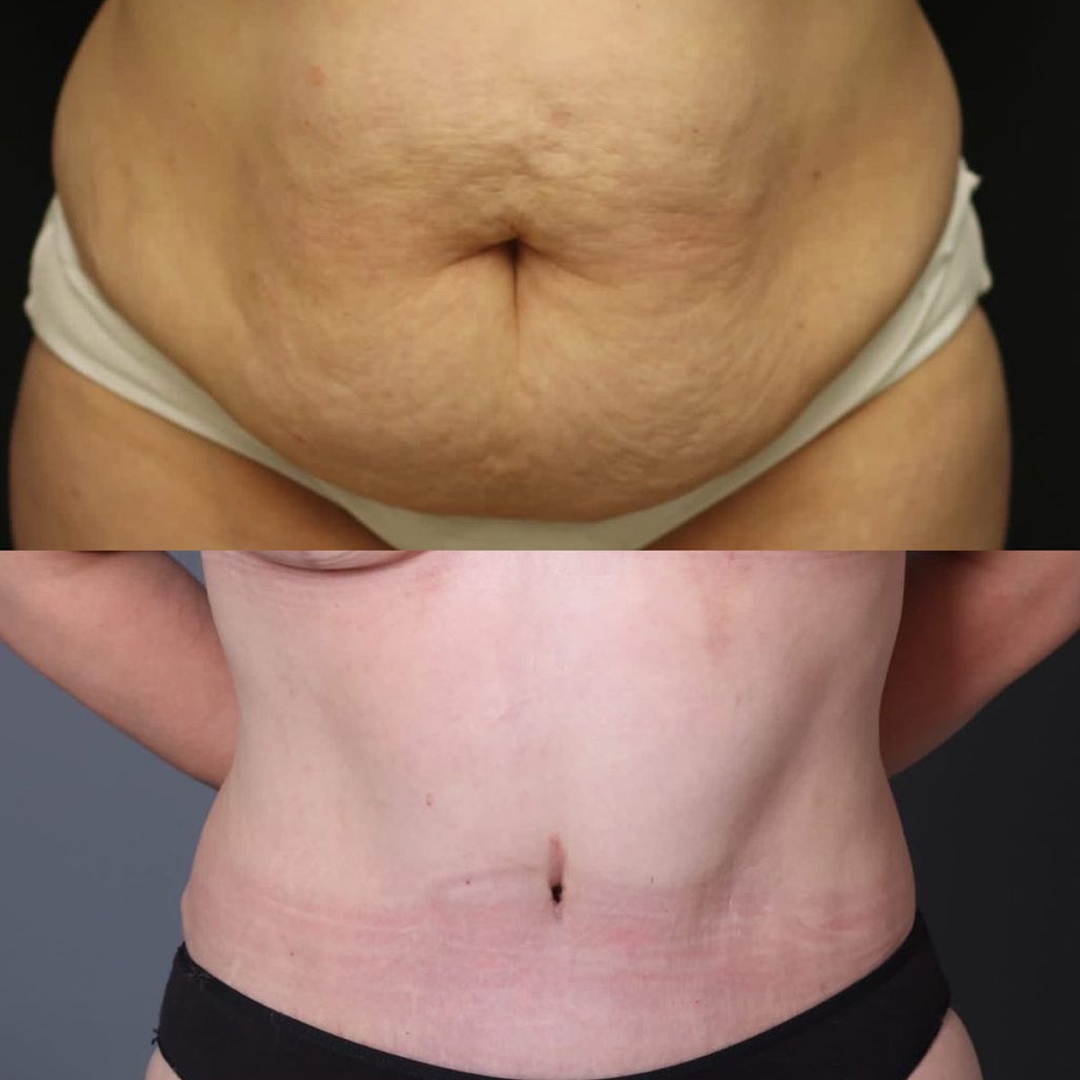
Before and After Tummy Tuck: What Results Can You Expect?
After surgery, most patients see a flatter, tighter abdominal contour that more closely matches their body shape goals. Initial results are visible once swelling subsides, often within 1–2 weeks, but the final outcome may take several months as tissues settle. Results are long-lasting, provided the patient maintains stable weight and a healthy lifestyle.
Risks and Complications of Tummy Tuck Surgery
As with any major surgery, tummy tucks carry risks, including:
- Seroma (fluid buildup)
- Poor wound healing or infection
- Scarring and tissue loss
- Changes in skin sensation
- Deep vein thrombosis and anesthetic complications
These are relatively uncommon when performed by experienced surgeons, but patients must understand and discuss them with their provider.
How Long Do Tummy Tuck Results Last?
Tummy tuck results are considered permanent in terms of the skin and fat removed. However, future weight fluctuations or pregnancy can stretch tissues again and alter the contour. Maintaining a stable weight, eating well, and exercising contribute to preserving results over the long term.
The cost of a tummy tuck varies widely based on geographic location, surgeon expertise, facility fees, anesthesia, and whether additional procedures (like VASER liposuction) are included. In the United States and UK, prices are often higher than in countries like Turkey because of differences in healthcare costs, facility charges, and bundled services. Insurance usually does not cover cosmetic tummy tucks unless there’s a compelling medical indication.
 Tummy Tuck in Turkey Before and After
 Tummy Tuck in Turkey Before and After
 Tummy Tuck in Turkey Before and After
 Tummy Tuck in Turkey Before and After
 Tummy Tuck in Turkey Before and After
 Tummy Tuck in Turkey Before and After
 Tummy Tuck in Turkey Before and After
 Tummy Tuck in Turkey Before and After
 Before You Travel


Hello, exactly 20 days ago I had a nose surgery by my doctor Zühtü. (I had previously broken my nose in an accident and had an operation, but since there was no cartilage{...}
13.08.2024Assoc. Prof Dr. Zühtü DemirI can't thank my doctor Zühtü and his team enough. The only place I would trust with my eyes closed. Their care and understanding before and after my surgery was indescri{...}
12.08.2024Assoc. Prof Dr. Zühtü DemirI went to Dr. Zühtü 1.5 months ago to have a nose surgery. I had breathing problems and I didn't like the look of my nose. Dr. Zühtü said that it should be natural and th{...}
11.08.2024Assoc. Prof Dr. Zühtü Demir