

COPD Treatment Ankara, Turkey
Chronic Obstructive Pulmonary Disease (COPD) Treatment
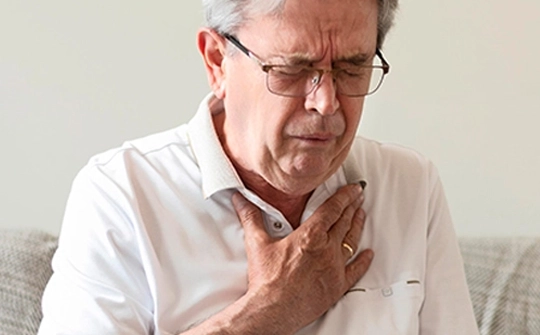
What is COPD?
Chronic Obstructive Pulmonary Disease (COPD) is a progressive lung condition marked by the narrowing of the airways. Although it cannot be entirely reversed, it is both preventable and treatable.
Causes of COPD
The primary risk factor for developing COPD is smoking. Using other tobacco products like cigars, pipes, and hookahs also contributes to COPD. Additionally, secondhand smoke exposure can lead to the disease.
Other well-established causes include prolonged exposure to dust and chemicals at work (like in fume-filled or dusty areas) and indoor air pollution from organic fuels (such as wood or manure) commonly used for cooking and heating in homes with inadequate ventilation.
Outdoor air pollution is also believed to play a role in the development of COPD. Certain genetic conditions, such as Alpha-1 antitrypsin deficiency, can increase susceptibility to COPD.
Symptoms of COPD
- Shortness of breath during physical activity
- Persistent coughing and mucus production
- Increased cough and mucus, especially in winter
- Chest tightness
- Fatigue and general weakness
- Swelling in the legs and feet in advanced stages
- Depression
- Unintentional weight loss in advanced stages
Diagnosis of COPD
In individuals with risk factors, symptoms like breathlessness, coughing, and mucus should suggest the possibility of COPD. Pulmonary function tests confirm the diagnosis and are used to assess the disease's severity and track its progression. Additional tests, such as chest X-rays, blood tests, arterial blood gas analysis, and CT scans, may be conducted if needed.
COPD Exacerbations
Patients with severe COPD may experience periodic worsening of symptoms, such as increased coughing, shortness of breath, and changes in mucus color and quantity. These flare-ups are often caused by infections.
Stages of COPD
COPD is classified into four stages—mild, moderate, severe, and very severe—based on spirometry results, symptoms, flare-up frequency, and related conditions.
- Mild COPD: The symptoms are often subtle, with slight breathlessness during fast walking or climbing stairs. No flare-ups occur, and pulmonary function tests appear normal.
- Moderate COPD: Patients may experience breathlessness while walking on flat ground. Pulmonary function tests show slight impairment, and the risk of flare-ups is low.
- Severe COPD: Patients experience shortness of breath during daily activities, such as dressing. Flare-ups are present, and pulmonary function tests reveal moderate impairment.
- Very Severe COPD: Patients have shortness of breath even at rest. Frequent flare-ups occur, and pulmonary function tests show significant impairment.
Treatment Methods for COPD Turkey
When detected early, COPD progression can be slowed, and the condition managed. However, any existing lung damage is permanent. Treatment focuses on relieving symptoms, preventing complications, and slowing rapid disease progression.
The most crucial treatment method is quitting smoking. For patients with mild COPD, stopping smoking can halt disease progression and prevent symptom worsening. Smoking cessation slows the decline in lung function and reduces cough and mucus production.
Another essential aspect of treatment is preventing and managing exacerbations, which are often triggered by respiratory infections. Smoking increases the risk of lung infections and weakens the lung's defense system, leading to more frequent and severe exacerbations. During these periods, appropriate antibiotic therapy, corticosteroids, nebulized bronchodilators, and oxygen therapy may be necessary, and severe cases might require hospitalization.
In stable COPD management, inhalers with bronchodilators help relieve shortness of breath, and consistent use is essential to prevent exacerbations.
Pulmonary rehabilitation is recommended for patients with moderate to severe COPD who experience reduced exercise tolerance and muscle weakness. This program includes breathing exercises to improve respiratory function and physical exercises to strengthen upper and lower body muscles.
Oxygen therapy is provided to patients with severe COPD and low blood oxygen levels. However, excessive oxygen can cause carbon dioxide buildup, which may lead to confusion and worsen the condition. Therefore, a blood gas analysis is recommended before oxygen therapy, and if carbon dioxide levels are high, a BIPAP machine may be used to help remove carbon dioxide and regulate oxygen levels.
Surgery is an option for a very small number of patients.
Is COPD Contagious?
COPD is not a contagious disease.
Is COPD Fatal?
It is the third leading cause of death worldwide. The most effective way to prevent COPD is by avoiding smoking. For prevention:How to Prevent COPD
 Before You Travel


As an asthma patient, I can train very easily and participate in swimming marathons thanks to my dear doctor Prof. Elif Küpeli. In addition to his wonderful medical pract{...}
02.09.2024Prof. Dr. Elif KüpeliMy father has been suffering from heart and COPD for years. On top of that, his lungs got infected this year. So we came to Dr. Elif. She took very caring and professiona{...}
28.08.2024Prof. Dr. Elif KüpeliProf Dr Elif Kupeli takes pride of her profession. Times over times she has shown diligence, aptitude, and work ethic to excel her profession and significantly contribute{...}
26.08.2024Prof. Dr. Elif Küpeli