

Sleep Apnea Treatment Ankara, Turkey
Management of Sleep Apnea
Sleep apnea is a condition that disrupts normal breathing during sleep, with pauses lasting 10 seconds or more. There are primarily two forms of this disorder: Obstructive Sleep Apnea (OSA) and Central Sleep Apnea (CSA).
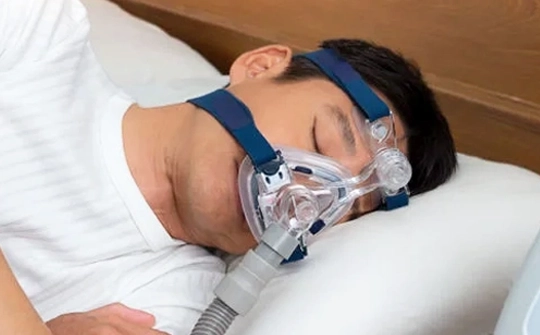
What is Sleep Apnea?
Sleep apnea involves frequent interruptions in breathing during sleep, with each pause lasting at least 10 seconds. In our country, its prevalence is estimated to be between 5% and 10%.
Types of Sleep Apnea
1. Obstructive Sleep Apnea (OSA)
The most prevalent type, OSA happens when the muscles in the throat relax excessively during sleep, causing the airways to narrow or become blocked.
This leads to reduced airflow, resulting in apnea (stopped breathing) and lowering oxygen levels in the body, affecting vital organs. OSA symptoms include loud snoring and significant daytime fatigue, which is caused by multiple night-time awakenings due to breathing disruptions.
2. Central Sleep Apnea (CSA)
This form arises when the brain doesn’t properly signal the muscles to regulate breathing. The repeated breathing pauses during sleep upset the balance of oxygen and carbon dioxide in the body. Like OSA, CSA leads to daytime fatigue, concentration difficulties, and headaches. It may also develop from sedative medications, heart failure, or neurological disorders.
Symptoms of Sleep Apnea
- Loud snoring
- Witnessed episodes of breathing stops during sleep
- Gasping or choking upon waking
- Frequent nighttime awakenings
- Excessive daytime fatigue
- Waking up feeling unrested
- Night sweats
- Palpitations after waking
- Morning headaches
- Irritability or depressive mood
- Difficulty concentrating
- Reduced libido and erectile dysfunction
Causes of Sleep Apnea
The underlying causes vary between OSA and CSA. OSA results from the muscles in the throat relaxing too much, leading to airway obstruction during sleep. The brain briefly wakes the person to reopen the airways, and this cycle repeats many times during the night, interrupting deep sleep. Risk factors include being overweight, having a thick neck, narrow airways, male gender, nasal congestion, alcohol consumption, smoking, sedatives, and family history.
CSA is less common and is caused by the brain's inability to send the correct signals to breathing muscles. It can result from conditions like heart disease, brain infections, stroke, or brainstem issues, as well as the use of narcotic medications.
Consequences of Untreated Sleep Apnea
If untreated, sleep apnea may lead to:
- Heart rhythm problems
- High blood pressure
- Enlarged heart
- Increased risk of heart attack or stroke
- Severe fatigue and daytime drowsiness
- Higher risk of accidents (e.g., falling asleep while driving)
- Reduced sexual drive
- Weight gain
- Night sweats and frequent urination
- Mood disorders and depression
- Sudden death during sleep
Diagnosing Sleep Apnea
Diagnosis involves listening to the patient’s symptoms like snoring or daytime fatigue and conducting overnight tests at a sleep center. The primary diagnostic tool is Polysomnography (PSG).
Sleep Apnea Test
During PSG, several key measures are recorded:
- Brain activity (EEG)
- Eye movement (EOM)
- Muscle activity (EMG)
- Heart rhythm (ECG)
- Blood oxygen levels (pulse oximetry)
Sleep Apnea Treatment Ankara, Turkey
1. Lifestyle Modifications
- Weight loss
- Avoiding alcohol and smoking
- Reducing sedative medication usage
2. Positive Airway Pressure Therapy
The most effective method is Continuous Positive Airway Pressure (CPAP),which delivers steady airflow to keep the airways open and helps reduce snoring.
3. Surgical Interventions
- Tissue Removal: Procedures like Uvulopalatopharyngoplasty (UPPP) remove excess throat tissue to clear the airway.
- Tissue Reduction: Radiofrequency ablation shrinks tissues in the nose and throat.
- Jaw Surgery: Realignment of the jaw increases airway space.
- Nerve Stimulation: An implanted device stimulates the nerve controlling the tongue.
- Tracheostomy: In severe cases, a surgical opening in the neck bypasses airway obstructions.
Post-Treatment Outcomes
Treatment significantly improves sleep quality, reducing night sweats and frequent urination. Patients feel more rested upon waking, with reduced daytime drowsiness, better concentration, and fewer mood-related issues. Post-treatment results also include weight loss and improved control of blood pressure, blood sugar, and cholesterol, alongside a reduced risk of cardiovascular conditions and stroke. Many describe feeling revitalized after treatment.
 Before You Travel



As an asthma patient, I can train very easily and participate in swimming marathons thanks to my dear doctor Prof. Elif Küpeli. In addition to his wonderful medical pract{...}
02.09.2024Prof. Dr. Elif KüpeliMy father has been suffering from heart and COPD for years. On top of that, his lungs got infected this year. So we came to Dr. Elif. She took very caring and professiona{...}
28.08.2024Prof. Dr. Elif KüpeliProf Dr Elif Kupeli takes pride of her profession. Times over times she has shown diligence, aptitude, and work ethic to excel her profession and significantly contribute{...}
26.08.2024Prof. Dr. Elif Küpeli