

Hair Transplant Ankara, Turkey
What is Hair Transplant?
Hair transplant is a surgical procedure in which healthy hair follicles are taken from areas with dense hair growth (usually the nape of the neck) and transplanted into areas that are thinning or completely bald. This procedure provides permanent results and helps individuals restore their natural hair appearance.
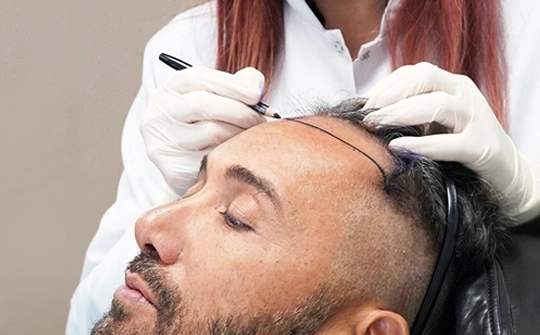
Hair Transplant Ankara, Turkey
In recent years, Turkey has become one of the world’s leading destinations for hair transplant. With modern clinics, experienced surgeons, and cost advantages, thousands of international patients choose Turkey every year for this procedure. In addition, the development of health tourism has made hair transplantation not only a medical operation but also a comfortable travel experience.
Who is a Candidate for Hair Transplant?
Hair transplant is suitable for individuals experiencing hair loss due to genetic factors, burns, or scarring. However, it is essential that the donor area contains a sufficient number of healthy hair follicles. Certain chronic conditions, such as diabetes, or serious skin problems may affect eligibility for the operation. Therefore, it is important for candidates to be evaluated by a specialist physician.
Hair Transplantation Methods (FUE, DHI, FUT, etc.)
One of the most commonly used techniques in hair transplantation is FUE (Follicular Unit Extraction),where hair follicles are extracted one by one and implanted into the recipient area. DHI (Direct Hair Implantation) involves placing the follicles directly into the scalp using special pens, allowing for a quicker recovery process. The FUT (Follicular Unit Transplantation) method involves removing a strip of scalp and separating the follicles for implantation. Today, due to minimal scarring and more natural-looking results, FUE and DHI are more frequently preferred.
Pre-Operative Preparation for Hair Transplant
Before the operation, a hair analysis is performed, the donor area is assessed, and the patient’s overall health condition is checked.
Blood-thinning medications should be discontinued, and patients are advised to stop smoking and drinking alcohol. On the day of the procedure, the hair must be clean, and the scalp free of any irritating products.
How is Hair Transplant Performed?
Hair transplant is performed under local anesthesia. First, hair follicles are extracted from the donor area using microsurgical instruments. Then, the design of the area to be transplanted is determined, and the follicles are carefully placed.
The procedure usually takes between 6–8 hours, depending on the individual’s hair structure and the number of grafts to be transplanted.
Hair transplantation is one of the most effective aesthetic solutions offered by modern medicine, providing natural and permanent results when performed by skilled professionals. The procedure is planned step by step and tailored to each individual.
1. Pre-Examination and Planning
The first stage of hair transplantation is a detailed examination. The doctor evaluates the patient’s hair structure, degree of hair loss, and follicle density in the donor area (usually the nape or the area above the ears). Based on this assessment, the number of grafts to be transplanted, the starting point of the hairline, and the techniques to be used are determined. This stage is critical and directly impacts the success of the operation.
2. Local Anesthesia Application
Local anesthesia is administered to ensure the patient’s comfort during the procedure. This prevents any pain or discomfort throughout the operation. Patients can usually listen to music, use their phones, or take short breaks during the procedure.
3. Extraction of Hair Follicles from the Donor Area
Depending on the chosen technique (FUE, DHI, etc.),healthy hair follicles are harvested from the donor area. In the FUE method, follicles are extracted one by one using a micro motor, while in DHI, special pens are used to prepare the follicles. High precision is required at this stage to prevent any damage to the hair roots.
4. Preparation of the Recipient Area
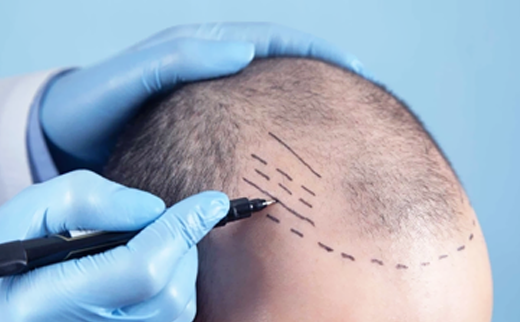
The area to receive the hair is designed, and a natural hairline is created. Micro-channels are then opened in the recipient area. The angle, depth, and direction of these channels must match the natural hair growth pattern, ensuring that the transplanted hair looks natural.
5. Placement of Hair Follicles
The harvested grafts are carefully placed into the prepared channels. This stage requires patience and precision, as the correct angle of each follicle is key to achieving a natural appearance. Aesthetic considerations are prioritized, and the hairline is adjusted to harmonize with the facial features.
6. Immediate Post-Operative Care
After transplantation, the recipient area is covered sterilely, and personalized aftercare instructions are provided. The donor area is dressed, and the patient is informed about precautions and care for the days following the procedure.
7. Recovery and Emergence of Results
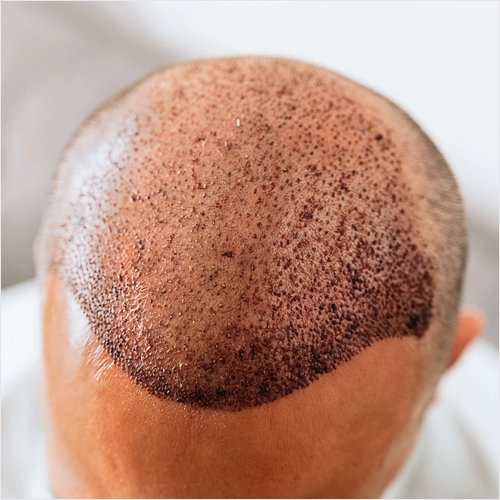
Within a few days, minor scabs may form in the transplanted area, which typically fall off naturally within 10–15 days. During the first 2–3 months, some transplanted hairs may shed due to a natural process called “shock loss.” However, the follicles remain under the skin and continue to grow. Noticeable results appear from the 6th month onward, and the final, permanent appearance is achieved between 12–18 months.
What is FUE Hair Transplantation?
FUE (Follicular Unit Extraction) is one of the most modern and widely preferred hair transplant methods today. In this technique, hair follicles are individually extracted from the donor area, usually the nape of the neck, using specialized micro motor devices and transplanted into bald or thinning areas. The FUE method does not leave a linear scar on the scalp, provides natural-looking results, and has a faster recovery period compared to other techniques. With these advantages, it is a minimally invasive method that can be safely applied to both men and women.
How is FUE Hair Transplant Performed?
The FUE hair transplant procedure is carried out comfortably under local anesthesia. First, hair follicles are individually extracted from the donor area in the nape of the neck using special micro punches. Next, the hairline and design of the recipient area are determined. The harvested follicles are then placed into the recipient area at appropriate angles, following the natural direction of hair growth. This technique ensures an aesthetically pleasing hairline and natural results. The procedure typically takes 6–8 hours, and patients can usually be discharged on the same day.
Why Choose FUE Hair Transplantation?
FUE offers many advantages over other methods. Since no linear incision is made, it does not leave a permanent scar, and the recovery period is faster. Hair follicles are harvested individually, allowing for denser and more natural results. In addition to scalp hair transplantation, FUE can also be successfully applied to beard, mustache, or eyebrow transplants. Its minimal pain, high success rate, and the ability to return to daily life quickly have made FUE one of the most preferred hair transplant methods.
First Days After Hair Transplantation
In the first few days after the operation, mild pain, swelling, or redness may occur on the scalp. During this period, it is important to take medications as prescribed by the doctor and avoid touching the transplanted area. Additionally, the first hair wash is usually performed at the clinic.
Hair Transplant Recovery Process
The recovery process varies from person to person, but scabs typically fall off within a few weeks. Some of the transplanted hairs may shed during the first 2–3 months (shock loss),but this is temporary. Hair begins to grow from the 6th month onward, and the final results can usually be observed after one year.
Hair Shedding After Transplantation (Shock Loss)
“Shock loss” is a natural shedding phase that occurs as newly transplanted follicles adapt to their new environment. This is not permanent; once the follicles are securely anchored in the scalp, they start growing again. Patience is required during this phase, and it does not affect the overall success of the transplant.
Wound and Scab Formation After Hair Transplantation
Small scabs may form in the first days following the operation. These usually fall off naturally within 10–15 days. During the scabbing period, it is crucial not to scratch or pick at the scabs, as this can damage the hair follicles.
Hair Growth After Transplantation
The transplanted follicles remain dormant for the first 3 months and then gradually begin to grow. By the 6th month, hair growth becomes noticeable, and natural density is typically achieved between 12–18 months. Results may vary depending on the individual’s hair type, age, and lifestyle.
Post-Hair Transplant Care: What to Pay Attention To
- Avoid touching the scalp in the first few days.
- Take medications prescribed by your doctor regularly.
- Avoid heavy exercise, saunas, and swimming pools during the first month.
- Do not expose the scalp directly to sunlight.
- Stay away from alcohol and smoking.
- Keeping the head elevated while sleeping can help reduce swelling.
Hair Transplant Risks and Possible Complications
As with any surgical procedure, hair transplantation carries some risks. These may include infection, bleeding, swelling, temporary loss of sensation, or irregular hair growth in the transplanted area. However, when performed by an experienced physician, these complications are rare.
Success Rates of Hair Transplantation
Thanks to modern techniques, the success rate of hair transplantation exceeds 90%. This rate can be even higher with proper planning, high-quality donor hair follicles, and adherence to post-operative care. Choosing an expert surgeon is essential to achieve a natural and aesthetic appearance.
Hair Transplant Prices in Turkey
Hair transplant prices in Turkey vary depending on the number of grafts to be transplanted, the chosen technique, and the clinic’s features. Generally, costs are more affordable compared to European countries. However, it is important to prioritize quality and expertise over price when making a choice.
What to Consider When Choosing a Hair Transplant Clinic in Turkey
- The clinic must have official licensing and approval from the Ministry of Health.
- The experience of the surgeon performing the operation.
- Use of up-to-date and modern techniques.
- Transparent presentation of previous patient results.
- Availability of post-operative follow-up and support services.
- High hygiene standards.
Why Choose Us for Hair Transplantation in Turkey?
With our team of experts, modern technology using the latest methods, and personalized planning, we ensure the most natural results. We support you through every stage, from the operation to the recovery period, providing a safe and comfortable experience.
Permanence of Hair Transplant Results
The newly transplanted hair is permanent, as the follicles taken from the donor area are genetically resistant to hair loss. However, maintaining overall hair health requires a healthy lifestyle, stress management, and proper hair care.
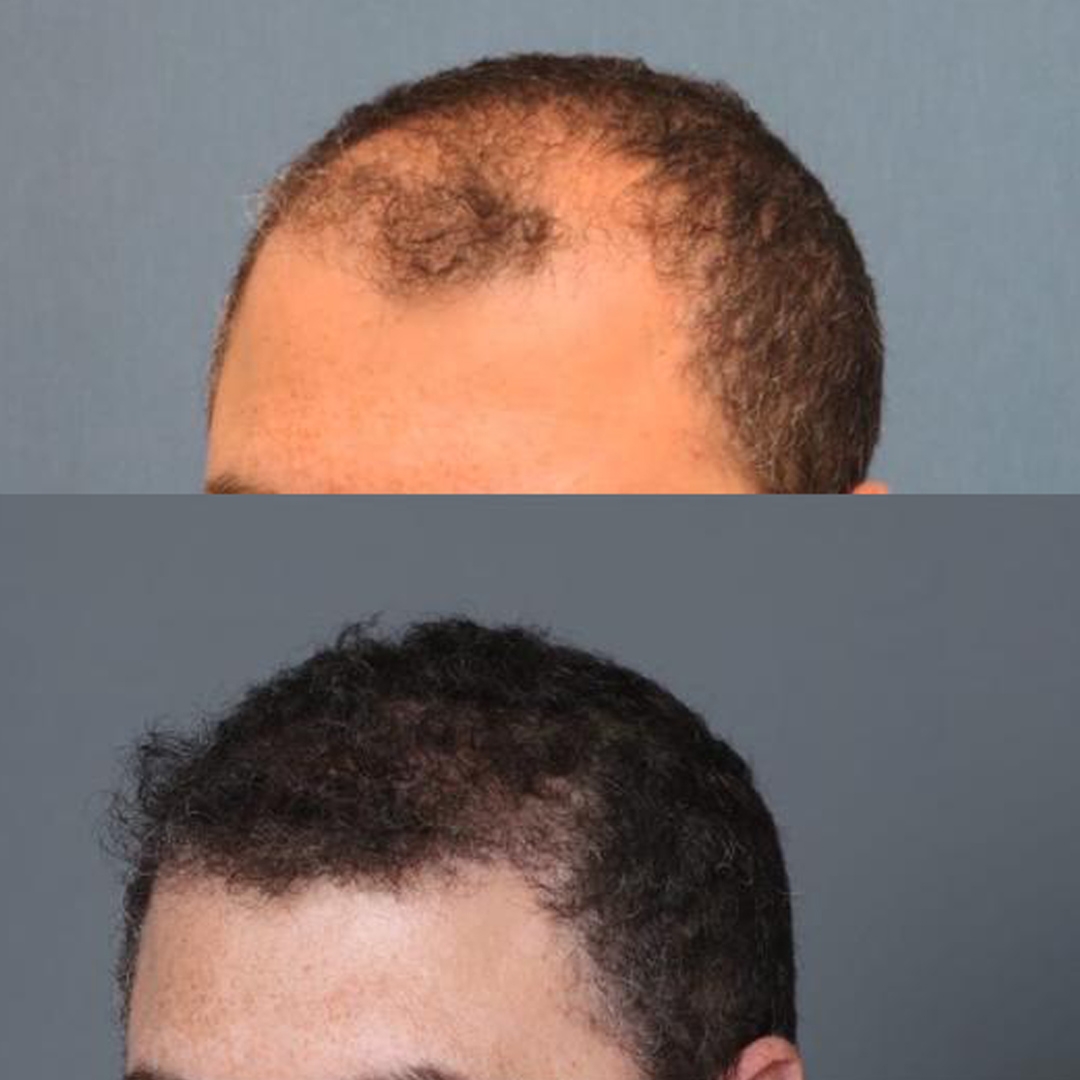 Hair Transplant Turkey Before and After
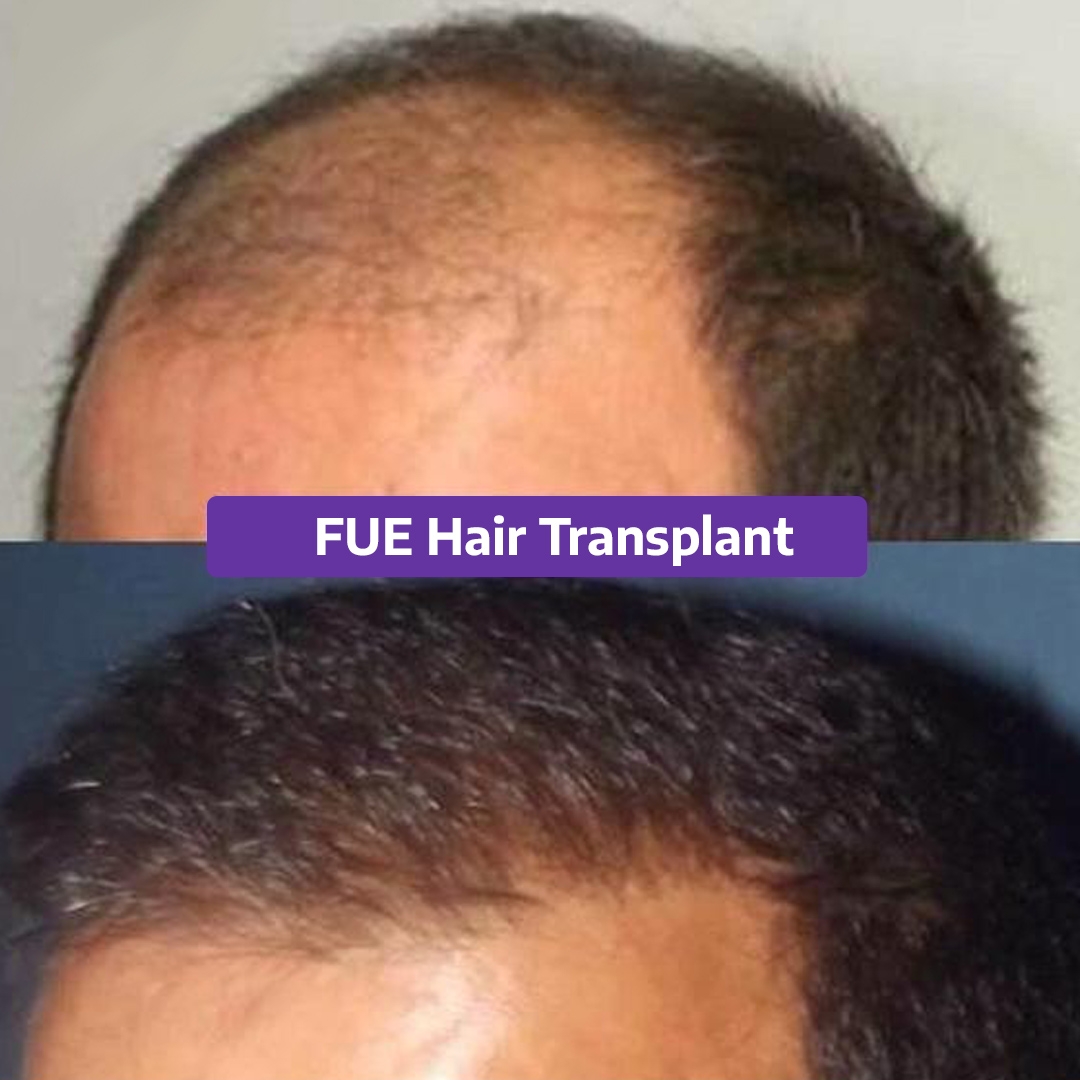 Hair Transplant Turkey Before and After
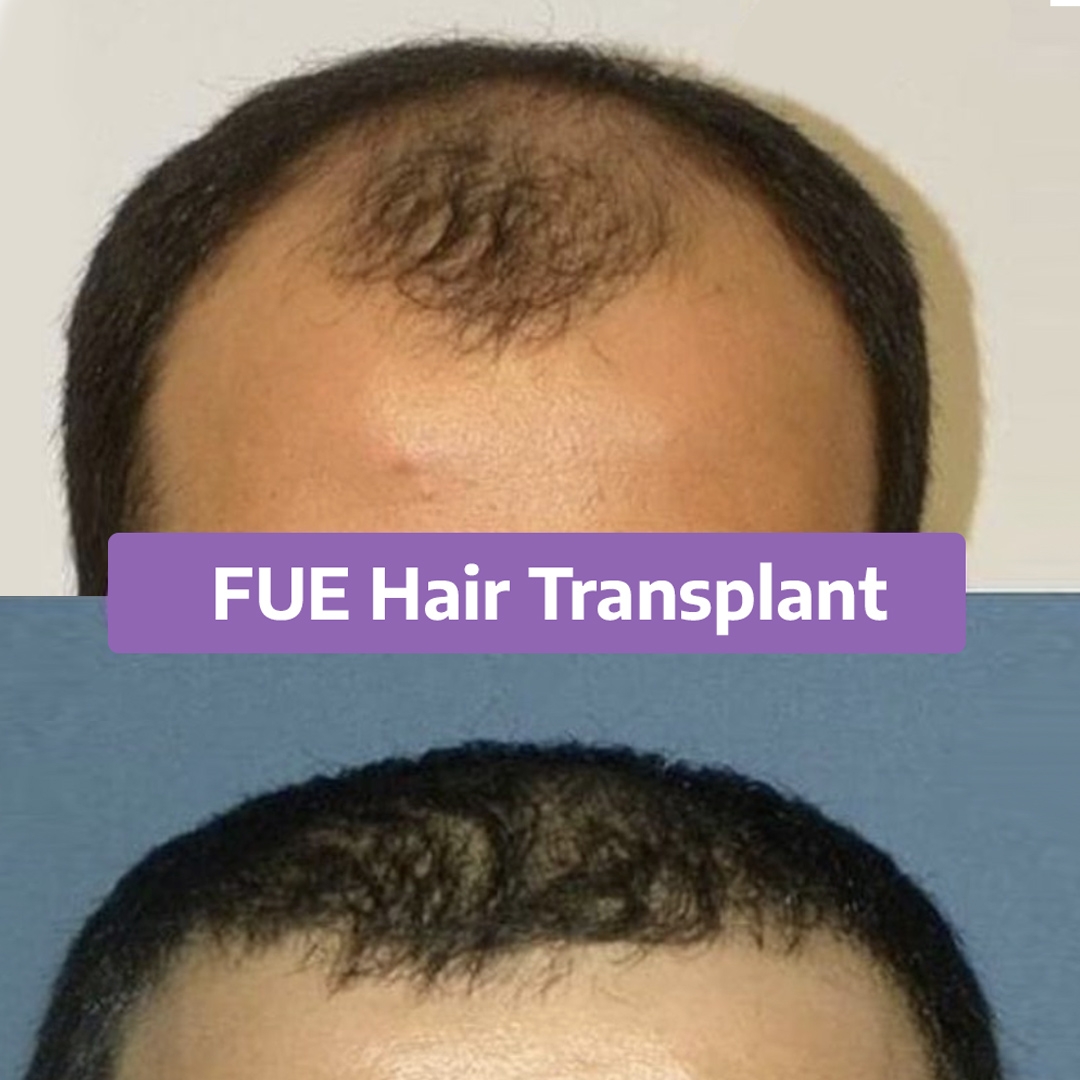 Hair Transplant Turkey Before and After
 Before You Travel



Hello, exactly 20 days ago I had a nose surgery by my doctor Zühtü. (I had previously broken my nose in an accident and had an operation, but since there was no cartilage{...}
13.08.2024Assoc. Prof Dr. Zühtü DemirI can't thank my doctor Zühtü and his team enough. The only place I would trust with my eyes closed. Their care and understanding before and after my surgery was indescri{...}
12.08.2024Assoc. Prof Dr. Zühtü DemirI went to Dr. Zühtü 1.5 months ago to have a nose surgery. I had breathing problems and I didn't like the look of my nose. Dr. Zühtü said that it should be natural and th{...}
11.08.2024Assoc. Prof Dr. Zühtü Demir